Chips Quinn Reporter Spotlight: Tara Mobasher
Posting: Friday, August 28, 2026
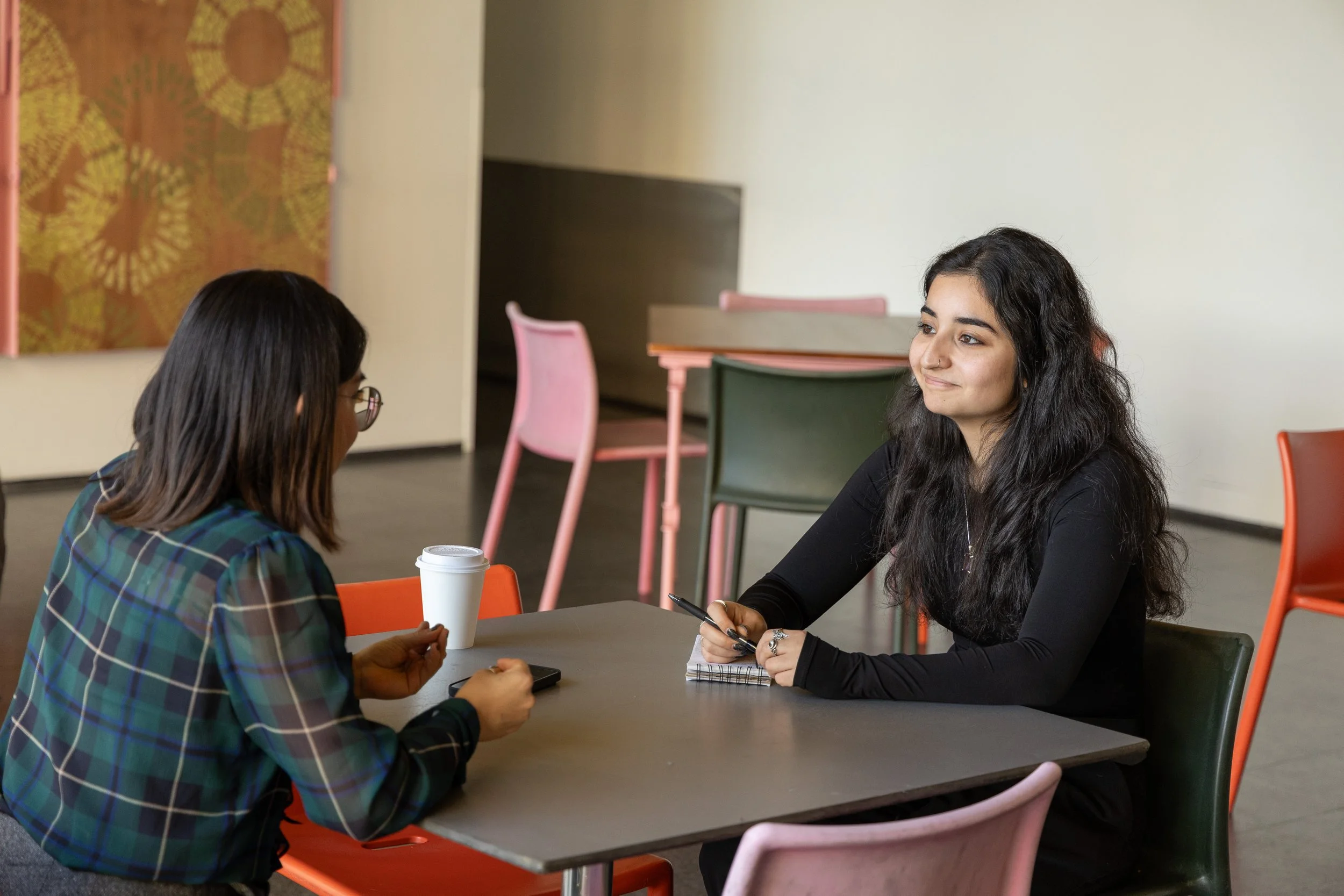
Tara Mobasher, a newsletter writer and reporter at Borderless Magazine, has built her early journalism career around a lesson she learned before she ever published a story: that showing up and listening matters more than being first. That lesson, drawn from her time as a field canvasser in Chicago's immigrant neighborhoods, now shapes reporting that spans policy and arts and culture, viewed through the lens of immigration.
Mobasher grew up in Southern California, the daughter of parents who immigrated to the United States from Iran before she was born. She was raised about two hours from "Tehrangeles," the informal title given to Los Angeles by the Persian community that resides there, as it’s home to the largest Iranian community outside Iran. But she often felt disconnected from her heritage, and said classmates and neighbors in her hometown rarely understood her family's traditions, food or culture. That disconnect left her feeling isolated and made it harder, she said, to learn about her own identity as a young Iranian American.
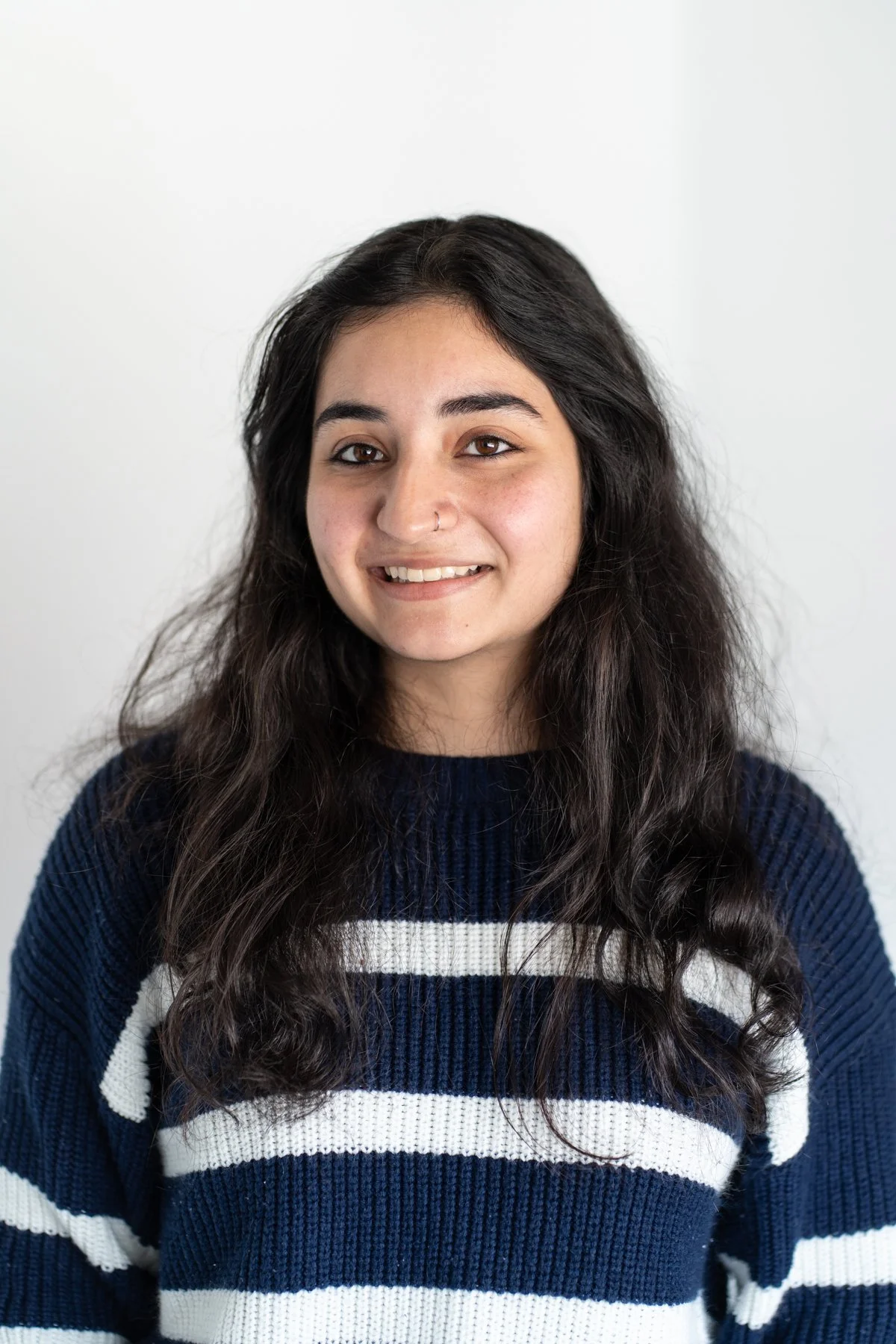
Tara Mobasher
Chips Quinn Reporter
As she got older, Mobasher discovered a love of learning about other people's lives and identities and began using that curiosity to better understand her own. She found that journalism was where her love of writing and storytelling could mesh with her curiosity about the people around her.
She moved to Champaign, Illinois to study journalism at the University of Illinois at Urbana-Champaign, then to Chicago three years later to pursue a master's degree in social justice and solutions journalism at Northwestern University. Mobasher points to a different kind of training, though, as most influential in shaping her as a journalist: her early days as a field canvasser for Borderless Magazine. Visiting Chicago neighborhoods with large immigrant communities, she handed out resource guides, talked with residents about the outlet's work and asked what coverage was missing. She asked people about their greatest challenges and what they wished more of their neighbors understood. She said that work taught her that journalism does not require publishing the story first, but rather continuing to show up, a lesson she credits with producing some of her most meaningful reporting.
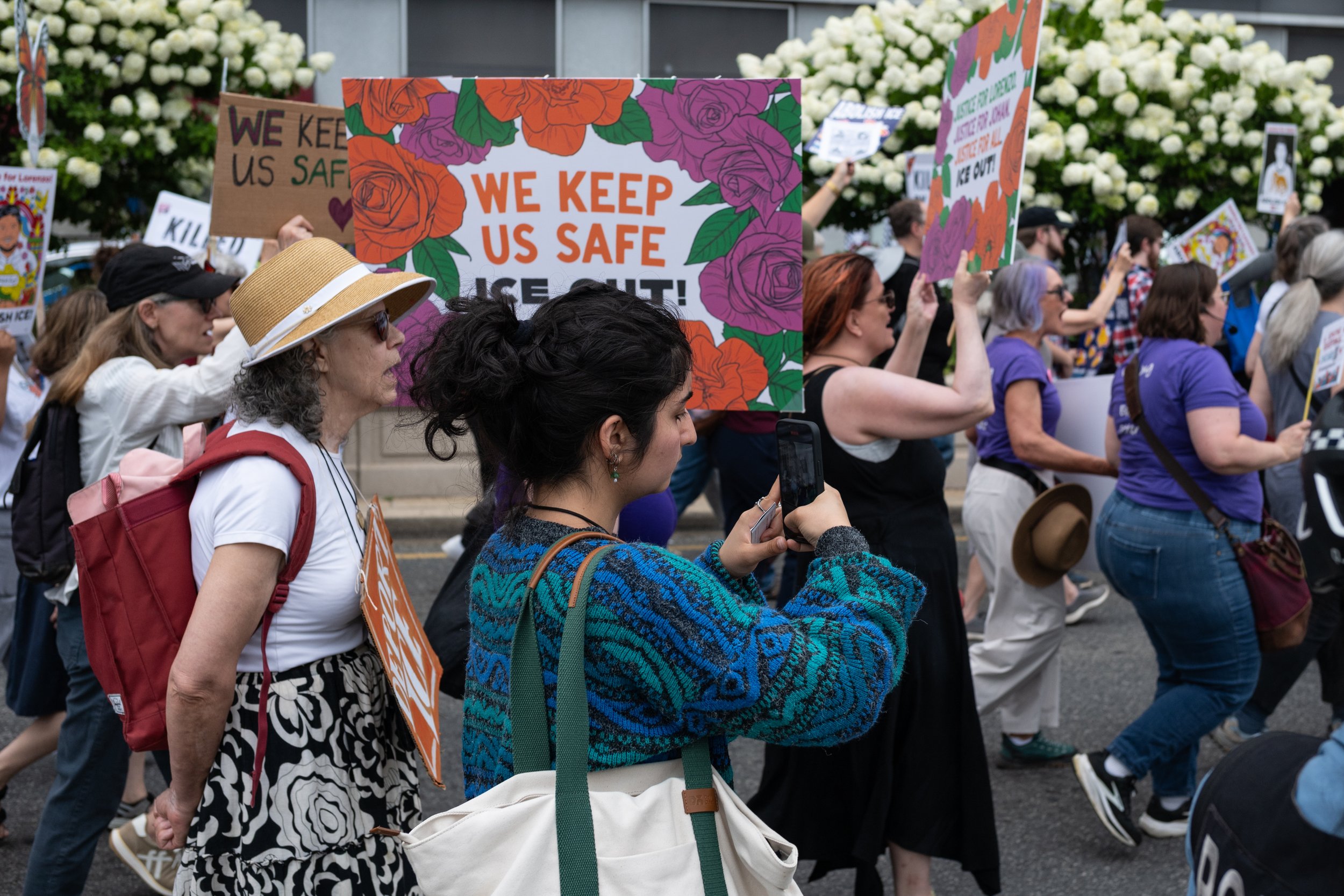
At Borderless Magazine, Mobasher covers policy and arts and culture through the lens of immigration, drawn most to community centered stories that put her in spaces she would not otherwise find herself in. Her reporting has taken her to a Morocco vs. Brazil World Cup watch party, to a run of plays about environmental justice staged in parks on Chicago's Southwest Side and into conversations with artists, doctors and teachers about how their own immigration journeys shape their work.
One recent story stands out to her where she reported on a North Side rapid response network that noticed how many people had abandoned their cars after being detained by U.S. Immigration and Customs Enforcement in or around their vehicles during Operation Midway Blitz. The story detailed how the network began partnering with tow truck drivers in Chicago, many of them immigrants and members of the community themselves, who towed the abandoned cars on their own time and without charge. Mobasher said she is especially proud of the piece because it captured how Chicago's community stepped up to protect its neighbors during what she described as a traumatic stretch of months for many, a reflection, she said, of the love residents have for one another.
Why Join the Chips Quinn Fellowship?
Mobasher applied to the Chips Quinn Fellowship shortly after joining Borderless Magazine full time as its newsletter writer and reporter. As an early-career journalist, she said she still has plenty to learn, and the fellowship has already helped her define her goals and identify the areas where she wants to grow. She was especially drawn to the chance to meet fellow early-career journalists and to receive mentorship from Chips Quinn alumni.
Looking ahead, Mobasher hopes the fellowship's mentors and her relationships with fellow early-career journalists will help her build a more concrete sense of direction, something she said she often feels uncertain about navigating on her own.
Advice for Aspiring Journalists
Mobasher's advice to aspiring journalists is to stay open. "Keep an open mind about everything, whether it be for a story, for a job you're considering applying to, or a new connection," she said. "Never assume you know everything, and challenge yourself to question what you thought you knew."
Message from her mentor:
“Your first full-time reporter job is something you never forget. Working with Tara is rewarding in being able to provide the career wisdom I wish I had, such as learning how to effectively use one-on-one time with your editor, build sources and craft fast, clean copy — all essential in today’s newsrooms. I look forward to helping Tara grow at Borderless, and hopefully in exchange she can teach me how to make a TikTok."

Michael Liptrot
Reporter | Block Club Chicago
Started by Freedom Forum, the original Chips Quinn program helped put college interns into newsrooms across the country. Since its beginnings in 1991, the program has reached more than 1,400 people, many of whom are now in leadership positions for local and national newsrooms. Today, the program aims to offer support to early-career journalists already in their respective newsrooms through a 1:1 mentorship by leading members in the journalism field as well as alumni from the program. Thanks to continued support for the program from Freedom Forum, each Chips Quinn Reporter receives a $10,000 stipend..
About Freedom Forum: Established on July 4, 1991, by USA TODAY founder Al Neuharth, the Freedom Forum is a nonpartisan 501(c)(3) foundation dedicated to fostering First Amendment freedoms for all. As the nation’s foremost advocate for First Amendment freedoms, the Freedom Forum engages thousands of Americans each year in classes, conversations and celebrations of these essential rights, including through the Power Shift Project, the annual Al Neuharth Free Spirit and Journalism Conference, the Chips Quinn Scholars Program for Diversity in Journalism, the Al Neuharth Award for Excellence in the Media, the Free Expression Awards, the annual “Where America Stands” survey, the Journalists Memorial and Today’s Front Pages.
About JFP: The mission of Journalism Funding Partners is to strengthen the depth, diversity and sustainability of local news by building and shepherding relationships between funders and local news organizations. JFP is a recognized nonprofit that acts as fiscal sponsor, allowing foundations and individual funders to contribute directly to local news, regardless of the news organization’s business model. JFP manages the funds feeding numerous news initiatives, including more than a dozen Climate reporters in the Southeast, an Equity Desk at The Sacramento Bee, an Education and Economic Mobility Desk in California’s Central Valley, the Investigative Fund of The Miami Herald and for Inclusivity and Investigative funds at the Associated Press.
###
Media Contact: Rusty Coats, Executive Director | rusty@jfp-local.org | (813) 277-8959