Chips Quinn Reporter Spotlight: Tamia Fowlkes
Posting: Tuesday, May 26, 2026
Tamia Fowlkes, a public investigator at the Milwaukee Journal Sentinel, has spent her career doing exactly what she promised herself she would do at 13-years-old: telling the stories of her community and working to make her city and state a better place. That childhood wish, voiced in an eighth-grade graduation speech, has since grown into a reporting career defined by accountability, representation and a deep investment in the people her work serves.
Fowlkes grew up in Milwaukee, WI, one of the most racially segregated cities in the country, surrounded by stories about disparity and division. She heard community members express a longing to see the lives of the unheard and underrepresented reflected back to them. With a natural pull toward writing, government and the arts, she found her way to journalism as the space where those interests could do the most good, particularly at the intersection of race, culture and politics.
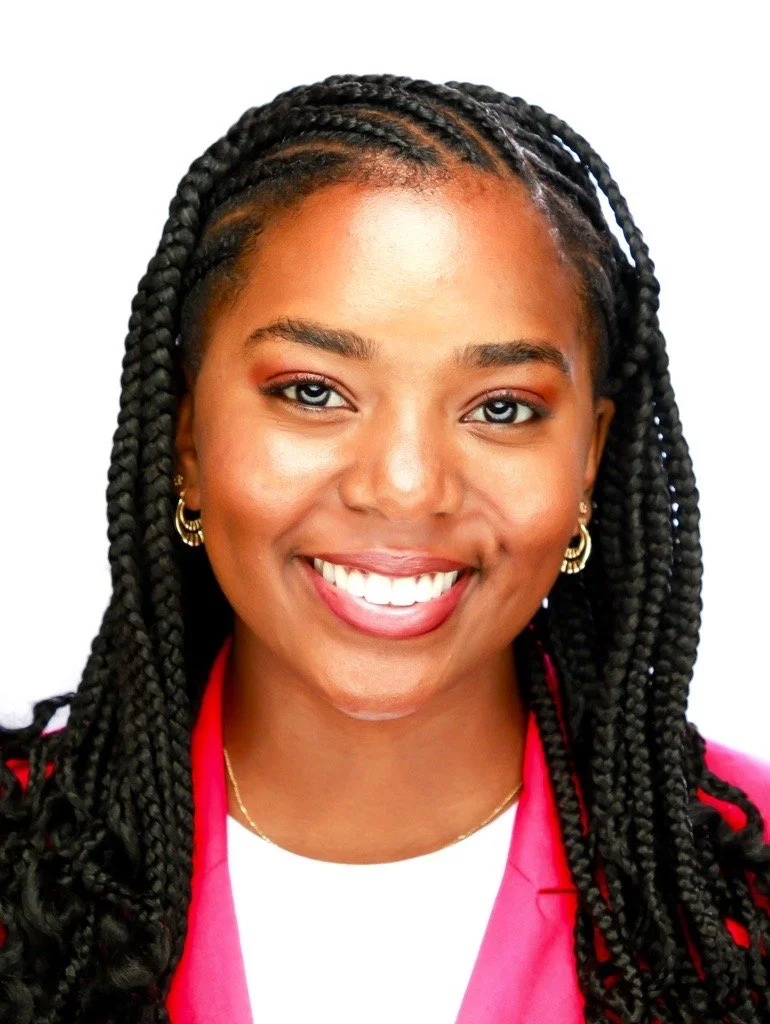
Tamia Fowlkes
Chips Quinn Reporter
She earned a bachelor's degree in journalism and political science from the University of Wisconsin-Madison and a master of science in journalism from Columbia University's Graduate School of Journalism. At both institutions, she covered elections and explored issues at the intersection of race, disability, gender and politics. During her academic years, she also participated in the Dow Jones News Fund program, which sharpened her digital journalism skills and connected her with a network of young journalists she continues to draw on today. Before joining the Journal Sentinel full time, Fowlkes completed internships at the Washington Post, "The Rachel Maddow Show," USA Today Network and the Wisconsin State Journal. She also interned with the Journal Sentinel's Investigative Watchdog Team as part of the Pulitzer Prize Finalist "Wires and Fires" investigation, an early experience that previewed the kind of high-stakes reporting she would go on to pursue.
Since joining the Journal Sentinel, Fowlkes has covered a wide and consequential range of stories: abuse at assisted living facilities, racial discrimination at a prominent community college, improper evictions targeting Black residents and on-the-ground coverage of both the Democratic and Republican National Conventions. She has also found space for arts and culture, including interviews with musicians such as Chappell Roan and Maude Latour, reflecting her belief that accountability and culture reporting are not separate endeavors but complementary ones.
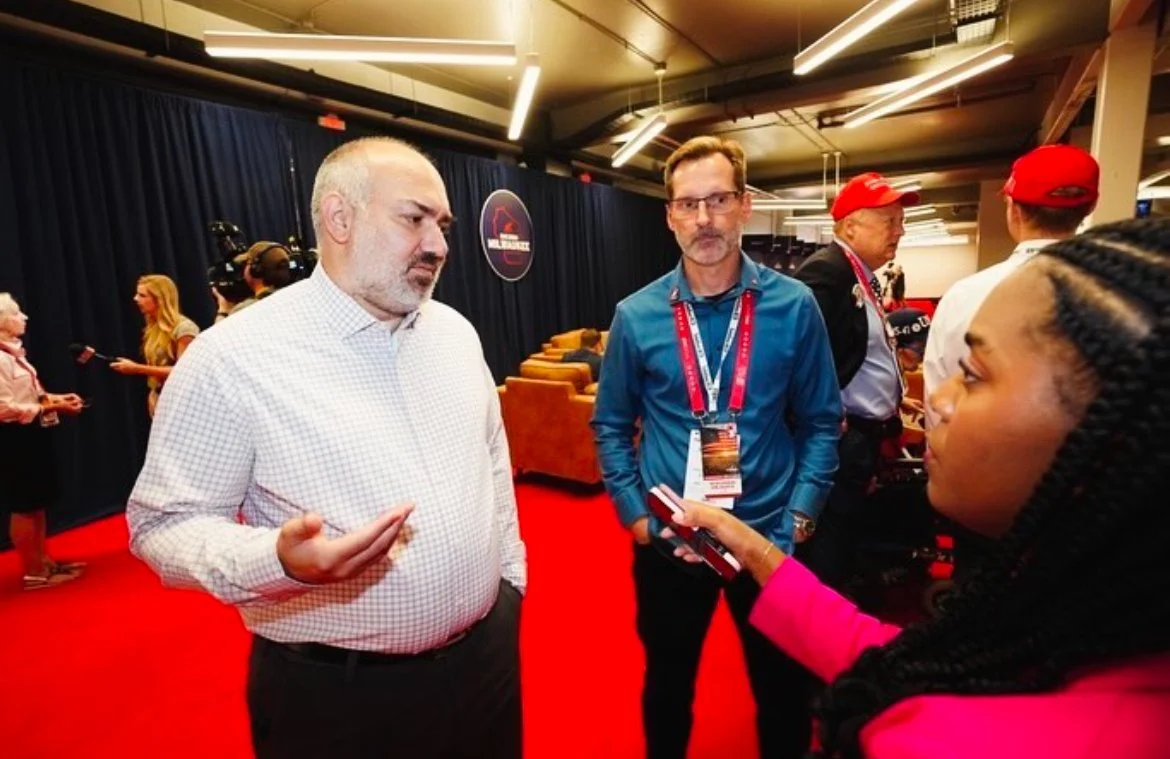
Photo by Scott Ash
Her investigative instincts have produced tangible results beyond the page. While at the Journal Sentinel, she pursued an independent investigation into barriers to assistive mobility technology repair for individuals with disabilities, work that contributed to the establishment of a nonprofit wheelchair repair organization in Milwaukee. More recently, she published a series of stories examining cuts to the Victims of Crime Act fund, a federal grant program that supports domestic violence shelters, crime victim advocates, support groups and other resources for people affected by crime. She also recently reported a story for the Sunday print edition following young people across Wisconsin who have grown increasingly disillusioned with the traditional political system. Drawing on expert interviews and polling data, Fowlkes explored what a generation's frustration with issues including climate change, artificial intelligence, immigration and the cost of living means for the current midterm election cycle, and sought direct answers from candidates in this year's gubernatorial race.
Why Join the Chips Quinn Fellowship?
Fowlkes came to the Chips Quinn Reporter Fellowship at the start of her second year at the Journal Sentinel, looking to build on early momentum with greater intention. She has found that the fellowship has helped her define clear goals, deepen her in-depth reporting and begin planning more deliberately for the years ahead.
Looking forward, she hopes to forge strong bonds with fellow early-career journalists and to more effectively combine her skills in multimedia and investigative work. She has identified clear areas for growth in her portfolio and is focused on building a consistent, productive routine for sharing her reporting with readers.

Advice for Aspiring Journalists
Fowlkes encourages aspiring journalists to try everything and apply often. She believes it is never too early or too late to dive into this career, and that every opportunity to learn a new skill, explore a new beat or pitch a story that genuinely excites you is worth taking. She also places high value on the relationships built along the way, describing the network formed across newsrooms as something that will support a journalist through every phase of a career. "Be audacious and thoughtful in your pursuit of stories," she said, "and always be kind."
Outside of her work at the Journal Sentinel, Fowlkes has a self-published newsletter and podcast where she shares news roundups, personal essays, interviews with community leaders and culture shifters, and advice on finding creative passion and pursuing professional goals. Readers can follow her work at tamiatalks.substack.com.
Message from her mentor:
“Being a mentor to Tamia was fascinating because of her maturity and experience. She carries herself with such professionalism and courtesy that there were times I felt like I was speaking with a veteran journalist. I’m proud to have been in her orbit, even for a short time, and I know she’s destined for great things."
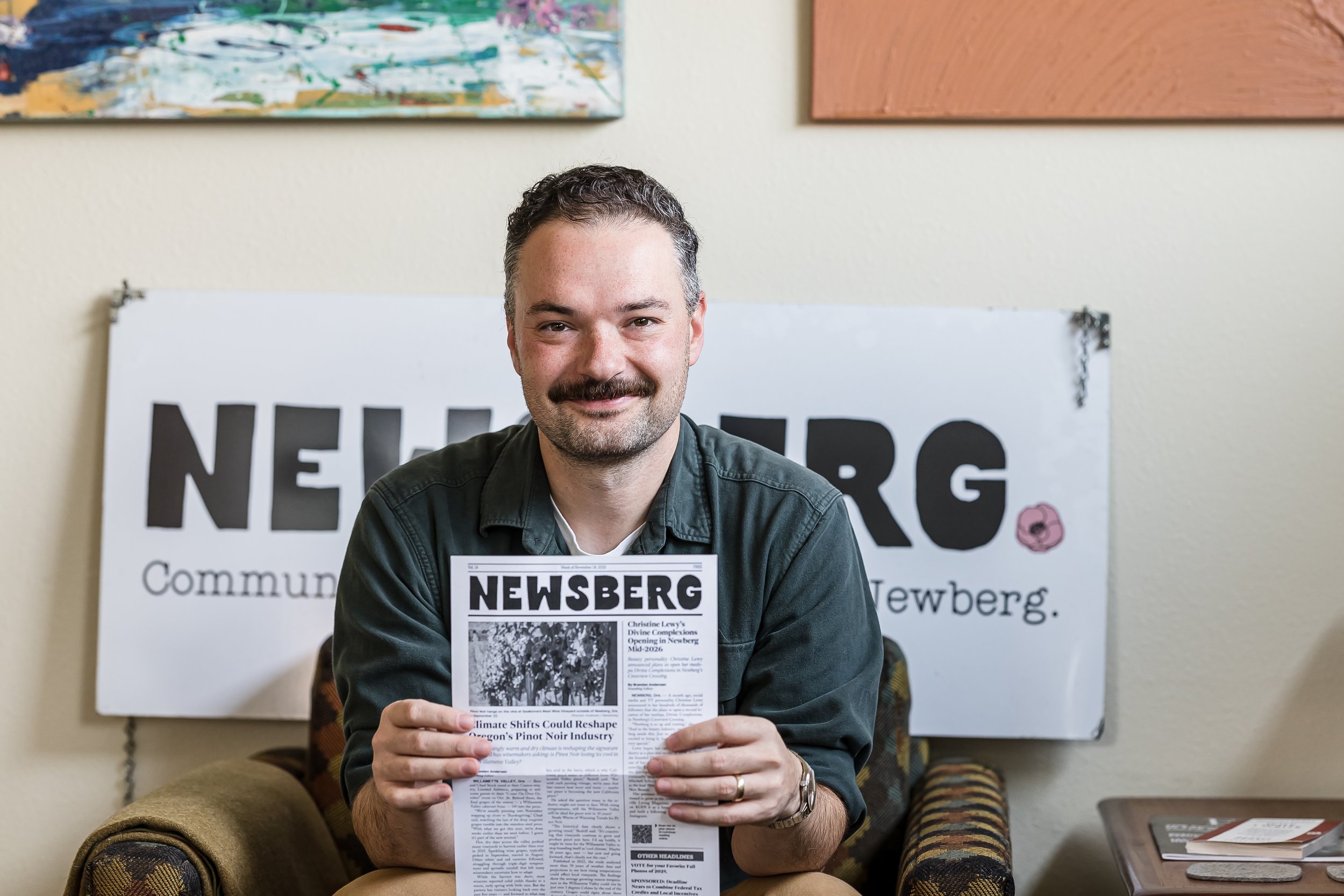
Branden Andersen
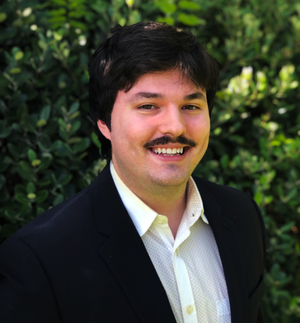
Founding Editor | Newsberg
Started by Freedom Forum, the original Chips Quinn program helped put college interns into newsrooms across the country. Since its beginnings in 1991, the program has reached more than 1,400 people, many of whom are now in leadership positions for local and national newsrooms. Today, the program aims to offer support to early-career journalists already in their respective newsrooms through a 1:1 mentorship by leading members in the journalism field as well as alumni from the program. Thanks to continued support for the program from Freedom Forum, each Chips Quinn Reporter receives a $10,000 stipend..
About Freedom Forum: Established on July 4, 1991, by USA TODAY founder Al Neuharth, the Freedom Forum is a nonpartisan 501(c)(3) foundation dedicated to fostering First Amendment freedoms for all. As the nation’s foremost advocate for First Amendment freedoms, the Freedom Forum engages thousands of Americans each year in classes, conversations and celebrations of these essential rights, including through the Power Shift Project, the annual Al Neuharth Free Spirit and Journalism Conference, the Chips Quinn Scholars Program for Diversity in Journalism, the Al Neuharth Award for Excellence in the Media, the Free Expression Awards, the annual “Where America Stands” survey, the Journalists Memorial and Today’s Front Pages.
About JFP: The mission of Journalism Funding Partners is to strengthen the depth, diversity and sustainability of local news by building and shepherding relationships between funders and local news organizations. JFP is a recognized nonprofit that acts as fiscal sponsor, allowing foundations and individual funders to contribute directly to local news, regardless of the news organization’s business model. JFP manages the funds feeding numerous news initiatives, including more than a dozen Climate reporters in the Southeast, an Equity Desk at The Sacramento Bee, an Education and Economic Mobility Desk in California’s Central Valley, the Investigative Fund of The Miami Herald and for Inclusivity and Investigative funds at the Associated Press.
###
Media Contact: Rusty Coats, Executive Director | rusty@jfp-local.org | (813) 277-8959