Posting: Tuesday, November 24, 2026
Sabine Martin was still in high school when she saw what an investigation could do. In her school’s journalism class, she worked with IowaWatch, now called Investigate Midwest, on reporting that found many Iowa K-12 schools were located near pesticide spray drift zones from farms. The investigation led an Iowa lawmaker to introduce legislation, and Martin, who grew up in a college town in northern Iowa, came away convinced that journalism path she wanted her career to take.
Today, Martin is a higher education reporter at the Wisconsin State Journal, where she covers the state’s 13-university public system and its technical colleges. She also covers the university’s health system and emerging research. She’s now in her second year on the beat and likes to dig into policy changes, investigations and the latest student trends.
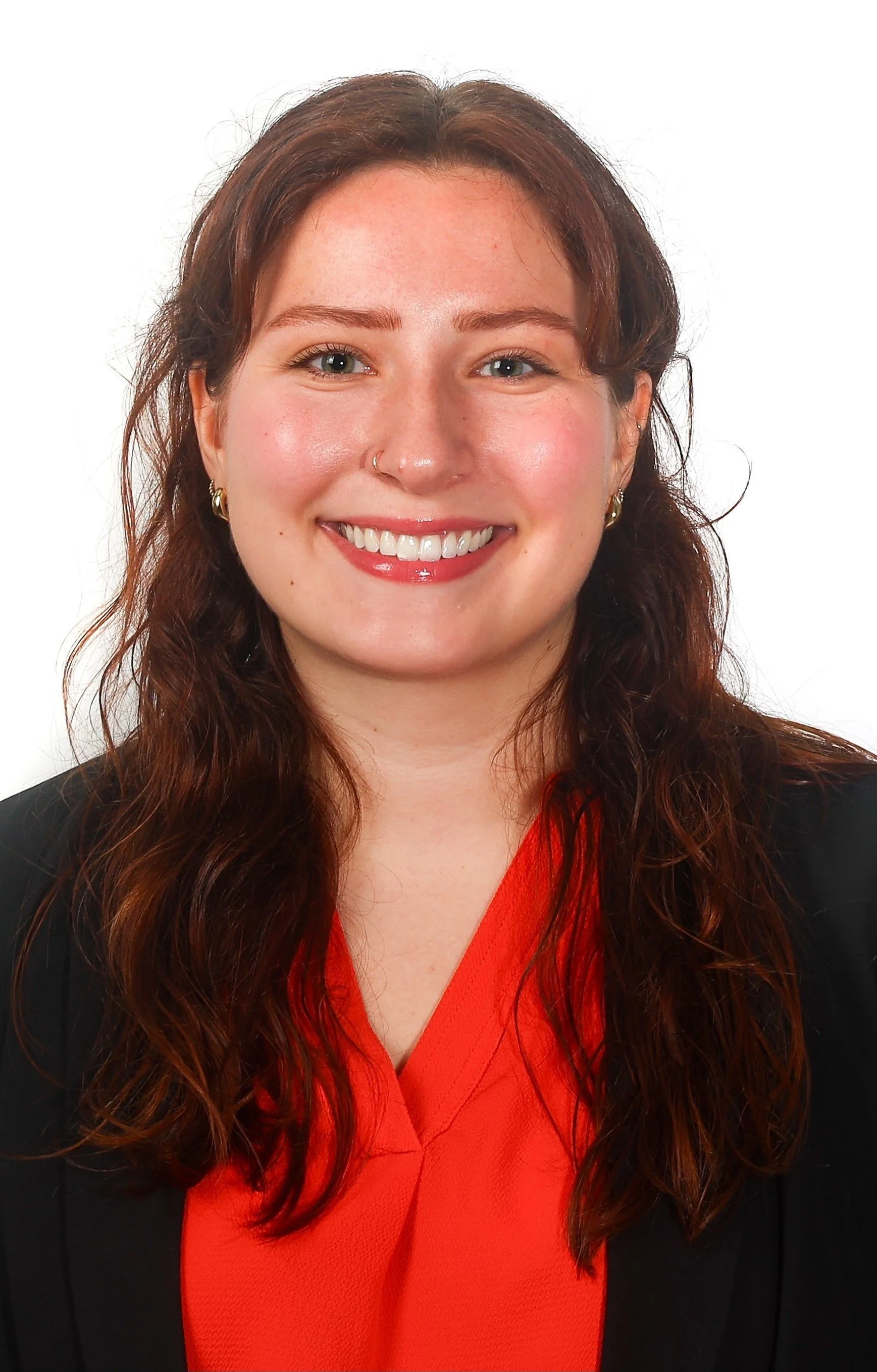
Sabine Martin
Chips Quinn Reporter
Her path to Madison ran through the University of Iowa, where she worked at The Daily Iowan during all four years and rose to executive editor, overseeing more than 100 student employees, a weekly newspaper and a TV station. While she was there, the paper bought two small-town news operations in nearby Iowa towns that would have otherwise folded. Helping two communities keep their local news gave her one more reason to stay in the field, and added on to her belief in the power of local journalism.
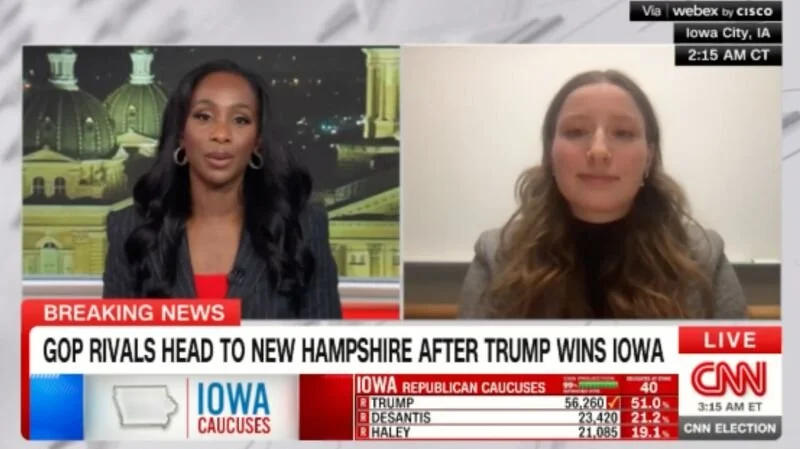
Martin on CNN during the 2024 presidential election to talk about Iowa caucus results.
After graduating, Martin was a part of the Pulliam Fellowship and moved to Phoenix, AZ, to join the Arizona Republic’s national politics team for the 2024 presidential election. She said she learned from both veteran and curious journalists & editors every day, and reporting in a region she didn’t know well taught her to say yes to every opportunity. At the Des Moines Register, she joined the politics team and covered state and national politics, including how newly proposed policies after the election affected DACA recipients. That job also brought her full circle to a familiar situation: she reported on why legislation shielding pesticide manufacturers were swaying longtime Republican voters.
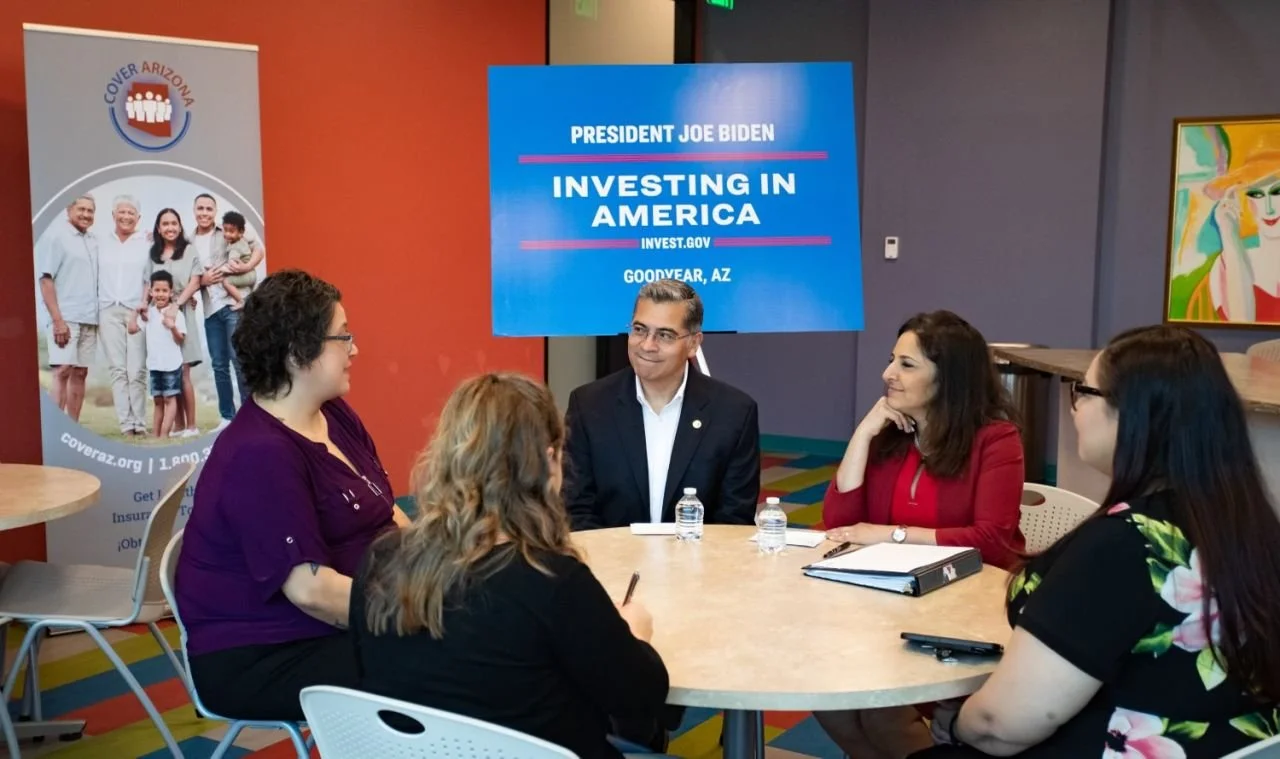
Photo Credit: Mark Henle, Arizona Republic | Martin interviewing U.S. Health and Human Services Secretary Xavier Becerra.
Between politics and education, Martin has found what drives her most, which is how policy can affect both people and institutions. “It’s easy to write about a new law once and forget about it, but being able to explain the impact clearly, track it and tell someone’s story is important to me,” she said. Her share of the State Journal’s health coverage has also pulled her into new territory, from Alzheimer’s and cancer research to neutrinos, the particles nicknamed “ghost particles.”
The story she’s proudest of took several months to report. In August and September, the State Journal published Martin’s investigation into a prominent UW-Madison professor who settled with the university after three students brought forward Title IX accusations, among other concerns. Since then, the piece has started conversations on campus about how transparent the university is in its Title IX reporting. She’s also proud of a feature on how UW-Madison is training groups of Ukrainian doctors in microsurgery so they can better repair severe blast injuries from the Russia-Ukraine war. For a statewide audience, she wrote about how the Trump administration’s decision to cut funding for a program that helped parents in college pay for child care is upending families’ lives.
Why Join the Chips Quinn Fellowship?
Martin applied to the fellowship during her first year at the State Journal. She wanted guidance to set goals and grow in her beat and in multimedia and in-depth reporting.
Through the fellowship, she hopes to become more confident in her multimedia skills “in a sustainable way that allows me to plan for this career years ahead.” She said being able to workshop new ideas and goals with her mentor, and to be connected with the right professional resources, has been immensely helpful already. And she said her ties to the cohort and the wider network of Chips Quinn fellows have already been a life-changing resource.
Advice for Aspiring Journalists
Saying yes has served Martin well, and it’s at the heart of what she tells people starting out. “Read and listen to a wide range of journalism and say yes as much as possible to new opportunities,” she said. “Also, don’t be afraid to reach out to journalists who inspire you.”
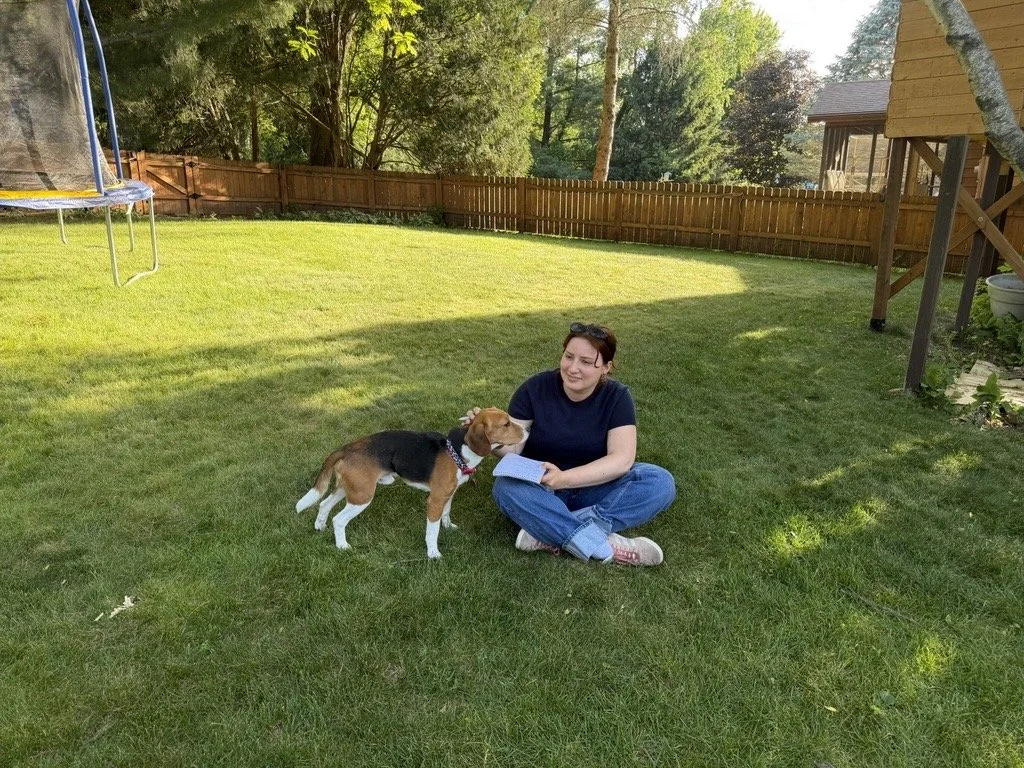
Message from her mentor:
“Sabine is a vertical video honcho who is helping her newsroom with the processes to be able to offer more vertical video on the website and on social media.
I have offered some thoughts about those processes, which seem to be changing in most newsrooms across the country right now. I also have tried to point her toward tools and webinars that discuss changes in our industry. I find that she already has had some of the same thoughts, and we share similar ideas.
On the public records front, I suggested some areas Sabine might look for more information, particularly related to the university she covers recruiting top administrators. She has had huge success with finding information about perks and salaries for job candidates, and she's killing it on the higher ed beat.
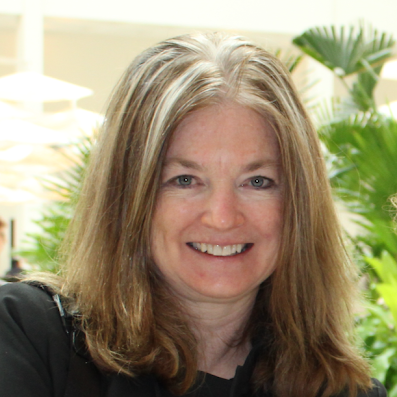
Beth Potter
Finally, when I met her, Sabine already was well down the track of requesting Title XI public records for a particular story. She shared information with me that I felt might require some legal help. I suggested the outside Freedom of Information Act resources in her state to her, but the university released the records before things got to that stage.
It's fantastic to work with an early career reporter like Sabine, and I know she will continue to do great things!”
Started by Freedom Forum, the original Chips Quinn program helped put college interns into newsrooms across the country. Since its beginnings in 1991, the program has reached more than 1,400 people, many of whom are now in leadership positions for local and national newsrooms. Today, the program aims to offer support to early-career journalists already in their respective newsrooms through a 1:1 mentorship by leading members in the journalism field as well as alumni from the program. Thanks to continued support for the program from Freedom Forum, each Chips Quinn Reporter receives a $10,000 stipend..
About Freedom Forum: Established on July 4, 1991, by USA TODAY founder Al Neuharth, the Freedom Forum is a nonpartisan 501(c)(3) foundation dedicated to fostering First Amendment freedoms for all. As the nation’s foremost advocate for First Amendment freedoms, the Freedom Forum engages thousands of Americans each year in classes, conversations and celebrations of these essential rights, including through the Power Shift Project, the annual Al Neuharth Free Spirit and Journalism Conference, the Chips Quinn Scholars Program for Diversity in Journalism, the Al Neuharth Award for Excellence in the Media, the Free Expression Awards, the annual “Where America Stands” survey, the Journalists Memorial and Today’s Front Pages.
About JFP: The mission of Journalism Funding Partners is to strengthen the depth, diversity and sustainability of local news by building and shepherding relationships between funders and local news organizations. JFP is a recognized nonprofit that acts as fiscal sponsor, allowing foundations and individual funders to contribute directly to local news, regardless of the news organization’s business model. JFP manages the funds feeding numerous news initiatives, including more than a dozen Climate reporters in the Southeast, an Equity Desk at The Sacramento Bee, an Education and Economic Mobility Desk in California’s Central Valley, the Investigative Fund of The Miami Herald and for Inclusivity and Investigative funds at the Associated Press.
###
Media Contact: Rusty Coats, Executive Director | rusty@jfp-local.org | (813) 277-8959