Chips Quinn Reporter Spotlight: Sydnee Chapman
Posting: Tuesday, December 16, 2025
Sydnee Chapman, a reporter with The Utah Investigative Journalism Project, brings a deep commitment to accountability reporting and an unwavering focus on stories that center the experiences of marginalized communities. With a foundation in small-town journalism and a growing body of investigative work, Chapman approaches each story with persistence, compassion and a drive to illuminate systemic failures that impact real people.
Chapman did not set out to become a journalist. When she chose journalism as a college major, it was only because she imagined a future as a travel writer, exploring the world and documenting her experiences. Everything changed when she joined her university’s student newspaper. Immersing herself in hard news shifted her ambitions entirely. She discovered that journalism required curiosity, rigor and empathy, and she quickly developed an appreciation for its role in confronting power and giving visibility to those who are often unheard. “Once I started writing for the student paper, I fell in love with hard news instead,” she says. That shift marked the beginning of her reporting identity.
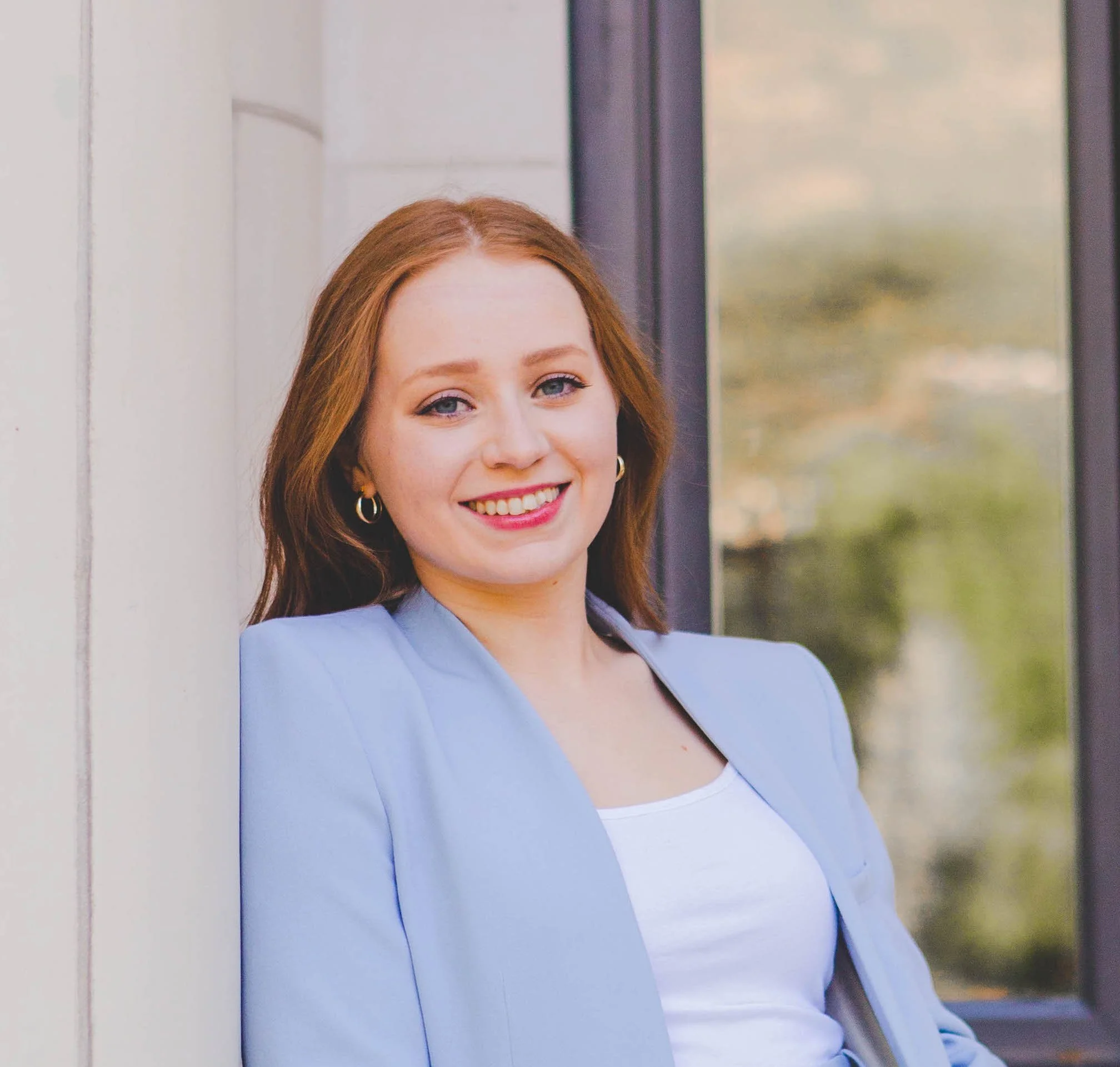
Sydnee Chapman
Chips Quinn Reporter
Chapman’s first job out of college was at a small-town newspaper in central Washington, an experience she describes as the most influential of her career so far. Small-town news taught her the fundamentals: sitting through long city council meetings, reporting on homelessness and navigating the complexities of migrant communities. The work also brought her face to face with the people affected by local decisions, allowing her to witness how journalism can directly shape understanding and action. “Because it was a smaller community, I got to hear first hand from people about the impact of my work,” she says. “It was super gratifying.”
The experience also taught her adaptability. With limited staff, reporters were expected to cover a wide range of topics and become quick studies in subjects they had never encountered before. Those early years gave Chapman the confidence to take on complicated stories and pursue answers even when the path was unclear.
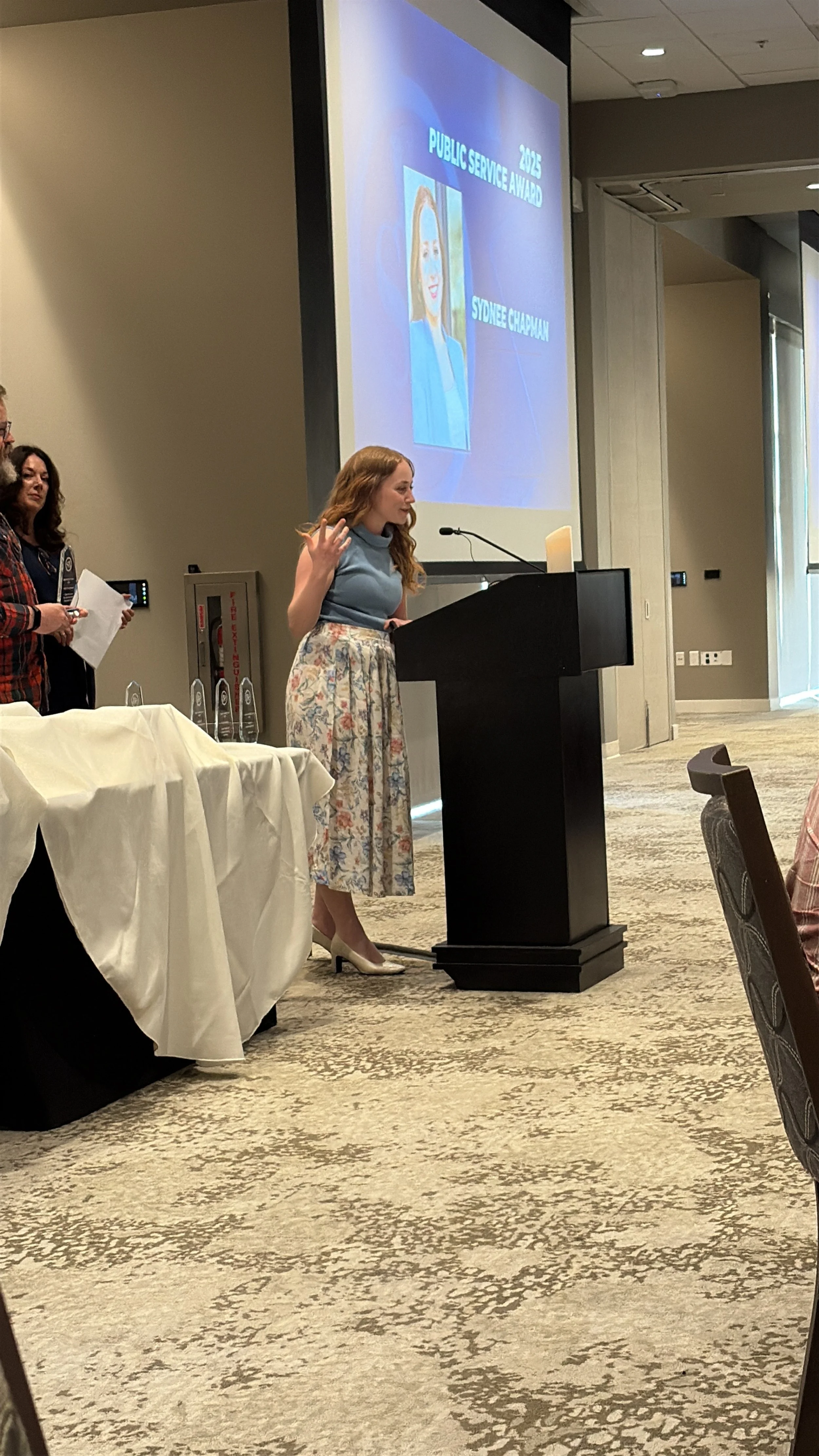
Sydnee gives at the 2025 Utah SPJ awards ceremony after accepting the chapter's Public Service recognition for her investigation into housing vouchers. (Photo by Adan Velasquez)
Throughout her career, Chapman has gravitated toward stories involving individuals who often exist at the margins of public attention. She has reported on homeless communities, immigrant communities and survivors of sexual violence. Her work is rooted in storytelling that prioritizes humanity and accuracy. “I’m passionate about using my storytelling abilities to elevate voices that might not otherwise have a platform,” she says.
Chapman approaches sensitive topics with emotional awareness, understanding the weight carried by those she interviews. Her reporting combines diligent documentation with an intuitive sense of how to talk with people who are sharing painful or personal experiences. She believes that doing justice to their stories requires not only technical skills but also a genuine willingness to listen.
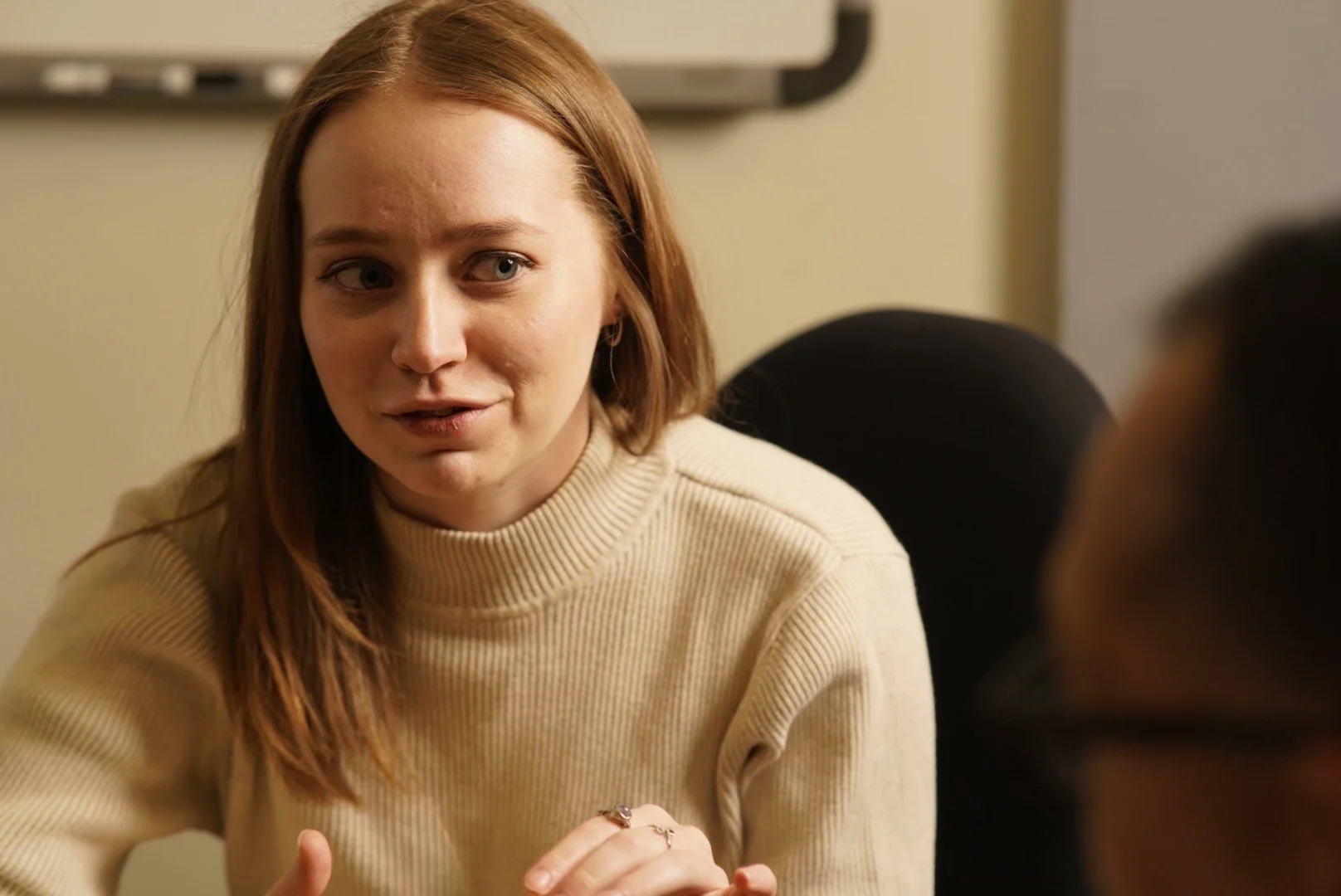
Sydnee conducts an interview for a story about how Utahns of color have used podcasting to highlight their own communities in a media landscape where their stories and experiences have often been ignored. (Photo by Carlos Arevalo)
Why Join the Chips Quinn Fellowship?
Chapman applied to the Chips Quinn Fellowship during a period of uncertainty. Like many early-career reporters, she felt pulled between daily deadlines, long-term investigations and the personal strain that comes from working on emotionally heavy stories. She hoped the fellowship would help her regain clarity and provide a support system beyond her newsroom.
“I’ve felt a bit lost in my career lately,” she says. “I’m struggling to figure out the balance between work and personal life and the kind of journalism I want to do.” The program offered the space — and the mentorship — to reassess her goals, refine her skills and learn from other journalists navigating similar challenges.
Advice for Aspiring Journalists
Chapman encourages young reporters to embrace empathy as an essential journalistic skill. She rejects outdated notions that emotion undermines credibility. “Having empathy doesn’t make you a bad journalist,” she says. She believes that allowing space for emotion can deepen trust with sources and honor the humanity at the core of every story.
Chapman also stresses the importance of rejecting perfectionism. “You’re not going to get better without making mistakes,” she says. She hopes aspiring journalists will give themselves permission to learn, grow and take risks.
Message from her mentor:
“"Sydnee is a bright, talented and determined young journalist. Having the opportunity to support her and watch her grow has been an honor."
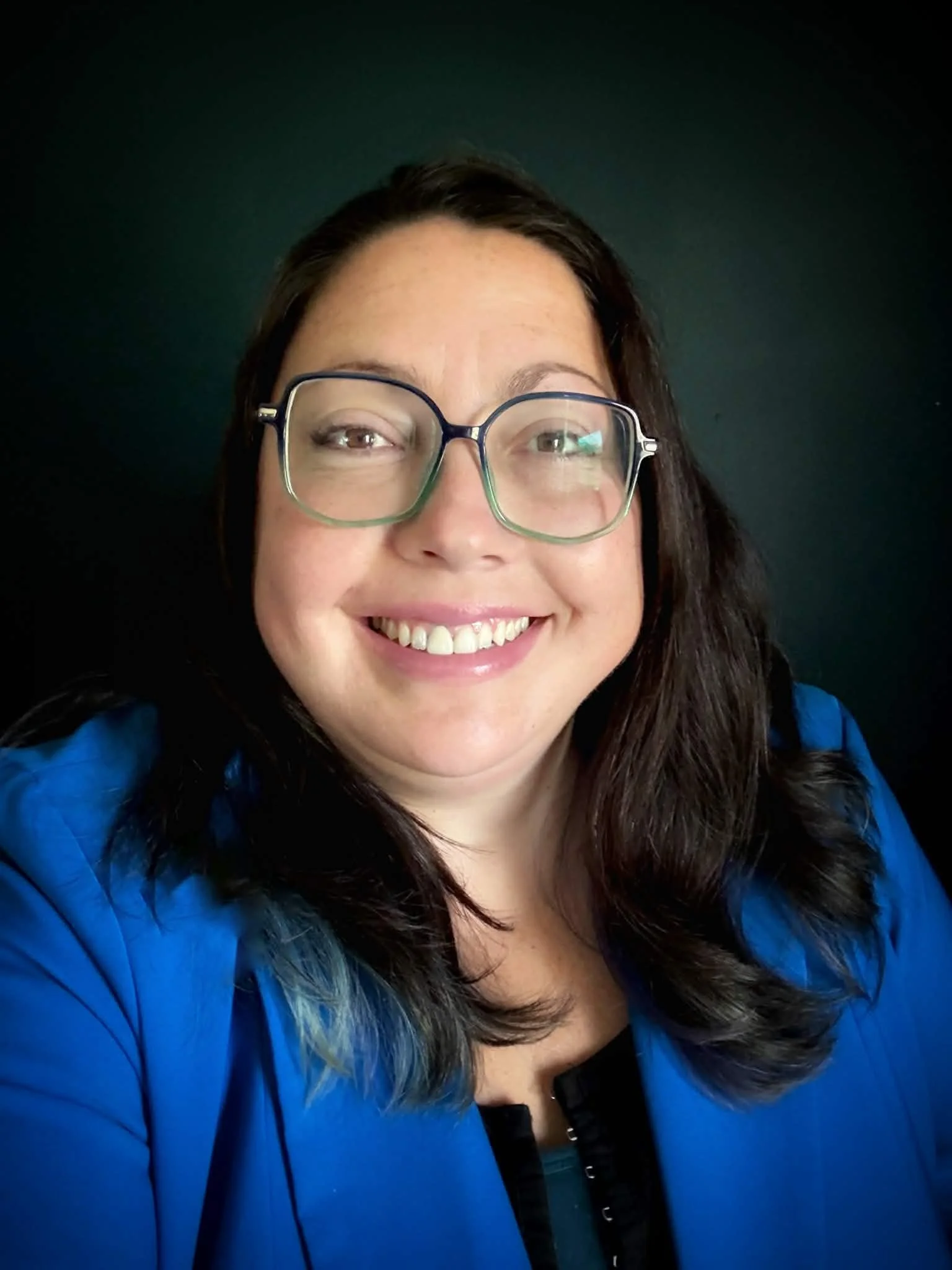
Kat Duncan
Director of Innovation
Started by Freedom Forum, the original Chips Quinn program helped put college interns into newsrooms across the country. Since its beginnings in 1991, the program has reached more than 1,400 people, many of whom are now in leadership positions for local and national newsrooms. Today, the program aims to offer support to early-career journalists already in their respective newsrooms through a 1:1 mentorship by leading members in the journalism field as well as alumni from the program. Thanks to continued support for the program from Freedom Forum, each Chips Quinn Reporter receives a $10,000 stipend..
About Freedom Forum: Established on July 4, 1991, by USA TODAY founder Al Neuharth, the Freedom Forum is a nonpartisan 501(c)(3) foundation dedicated to fostering First Amendment freedoms for all. As the nation’s foremost advocate for First Amendment freedoms, the Freedom Forum engages thousands of Americans each year in classes, conversations and celebrations of these essential rights, including through the Power Shift Project, the annual Al Neuharth Free Spirit and Journalism Conference, the Chips Quinn Scholars Program for Diversity in Journalism, the Al Neuharth Award for Excellence in the Media, the Free Expression Awards, the annual “Where America Stands” survey, the Journalists Memorial and Today’s Front Pages.
About JFP: The mission of Journalism Funding Partners is to strengthen the depth, diversity and sustainability of local news by building and shepherding relationships between funders and local news organizations. JFP is a recognized nonprofit that acts as fiscal sponsor, allowing foundations and individual funders to contribute directly to local news, regardless of the news organization’s business model. JFP manages the funds feeding numerous news initiatives, including more than a dozen Climate reporters in the Southeast, an Equity Desk at The Sacramento Bee, an Education and Economic Mobility Desk in California’s Central Valley, the Investigative Fund of The Miami Herald and for Inclusivity and Investigative funds at the Associated Press.
###
Media Contact: Rusty Coats, Executive Director | rusty@jfp-local.org | (813) 277-8959