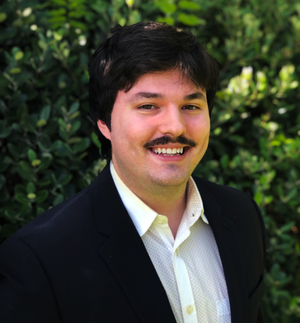
Chips Quinn Reporter Spotlight: Susan Barnett
Posting: Tuesday, February 24, 2026
Susan A. Barnett, an independent journalist based in southern Arizona, focuses her reporting on Hispanic and immigrant communities, with an emphasis on expanding access to Spanish-language news and documenting the lived experiences behind immigration policy and local change. Barnett’s work reflects a commitment to community-centered journalism that prioritizes trust, accessibility and representation.
Born and raised in Tucson by Mexican immigrant parents, Barnett’s path into journalism was shaped by her family’s binational experience and the realities of growing up in a mixed-status household. Regular trips to Nogales to visit relatives became less frequent after visa challenges disrupted that connection, and repeated family separations due to deportation left a lasting impression. Those experiences ultimately guided Barnett toward reporting that ensures communities like her own have access to clear, culturally relevant information. “I pursued journalism initially because I wanted people like my parents — immigrants who hardly spoke English — to have access to news, information and resources that would serve them.”

Susan Barnett
Chips Quinn Reporter
Barnett discovered journalism through student media at the University of Arizona, where she joined The Daily Wildcat and began building the reporting foundation that led to an internship at the Arizona Daily Star. She later worked as a bilingual digital producer for La Estrella de Tucson, the Star’s Spanish-language publication, where she saw firsthand the critical role Spanish-language news plays in serving local audiences. When the publication closed, the experience reinforced her commitment to continuing that work through independent reporting.
Her graduate studies in the University of Arizona’s Bilingual Journalism Program further shaped her approach, giving her historical context on Spanish-language media while strengthening her multimedia skills. During her time in the program, she co-founded Tucson Spotlight, managing its Spanish-vertical, El Foco de Tucson, where she continued to expand access to information in Spanish. Barnett also participated in the National Association of Hispanic Journalists Student Project, where she gained national newsroom experience and mentorship that continues to influence her work.
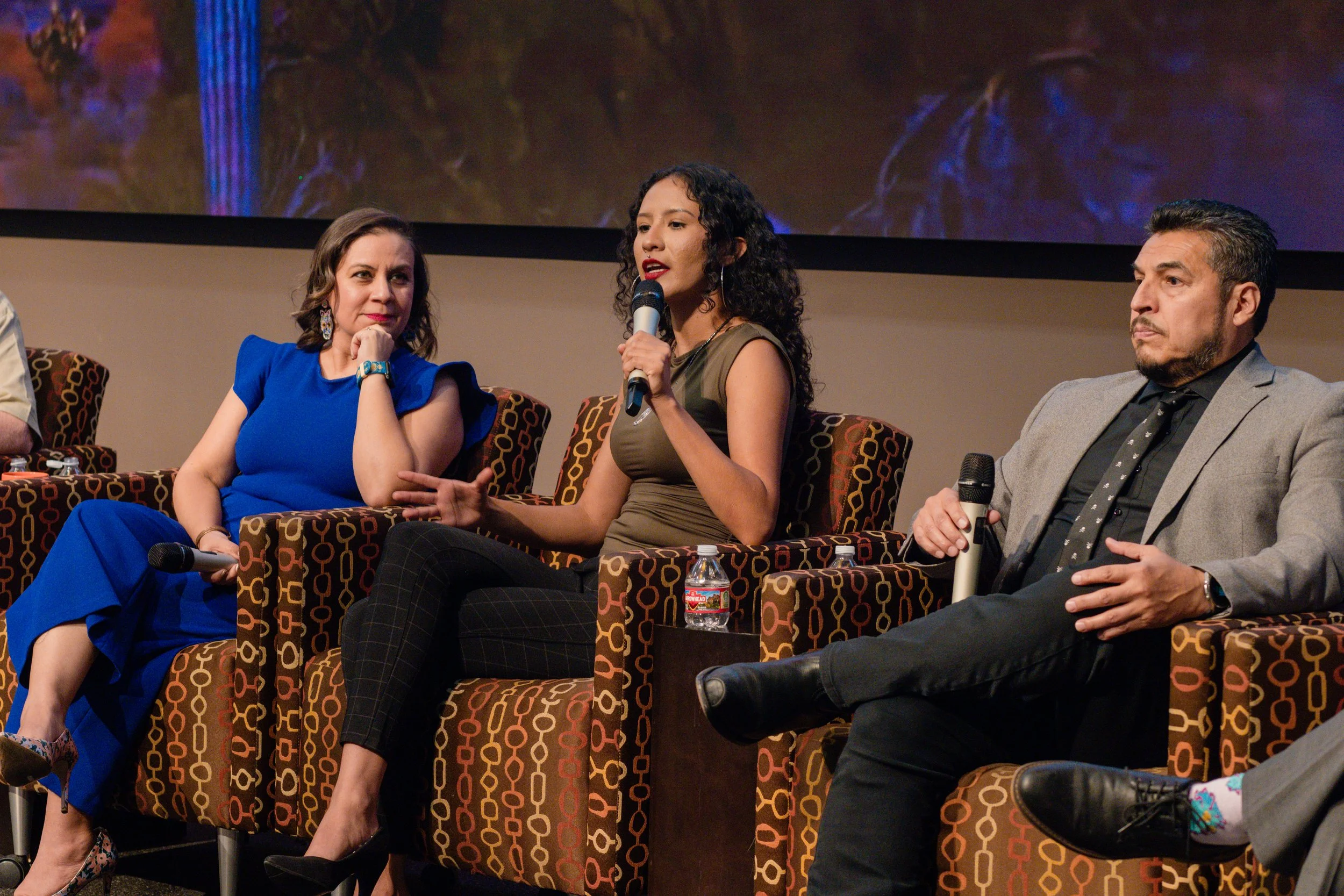
Susan Barnett was a panelist at an event hosted by CALÓ News at Arizona State University. More information on the event here
Today, Barnett’s freelance reporting appears in outlets including CALÓ News, Conecta Arizona, The Border Chronicle and other emerging platforms. Her work often examines immigration policy, community resources and stories that highlight both challenges and resilience within Hispanic communities. She focuses on reporting that reflects the voices of those directly affected while providing practical information communities can use.
Among the work she is most proud of is a first-hand account of an ICE traffic stop that resulted in the detention of three Venezuelan immigrants. After unexpectedly encountering the incident, Barnett documented the event and developed a reported story that combined real-time observation, policy context and community impact. The reporting required balancing personal emotion tied to her own family’s experiences with the responsibility of clear, accurate journalism, resulting in a piece that centered both accountability and humanity. “It was hard to write, but I was able to publish my first-hand account of the event.”
Barnett has also reported on the evolving Spanish-language media landscape in Tucson, including community-driven efforts to rebuild local Spanish news. Through outreach in everyday spaces such as grocery stores, libraries and community centers, she gathered insight into how Spanish-speaking audiences access information and what gaps remain. That reporting reflects her broader belief that journalism should be shaped by direct community engagement.
Why Join the Chips Quinn Fellowship?
Barnett applied to the Chips Quinn Reporter Fellowship during a period of transition, seeking mentorship, structure and reassurance as she navigated the challenges of early-career freelance journalism. Working independently provided flexibility but also uncertainty, particularly when trying to balance financial stability, professional growth and long-term direction. The fellowship represented an opportunity to step back, reflect and connect with journalists facing similar questions.
“I applied for the reporter fellowship program because I needed the professional support in this critical time in my career.”
Through the program, Barnett hopes to gain clarity about how to sustain community-focused reporting while building a stable career. She values the opportunity to learn from mentors who have navigated nontraditional paths and to exchange ideas with peers about navigating freelance work, identity-driven reporting and audience trust. The fellowship also provides space for her to think more intentionally about the type of journalism she wants to pursue and how she can continue strengthening Spanish-language access in local news.

Headshot taken at the Online News Association conference in New Orleans in September of 2025. Photo by MuckRack.
Advice for Aspiring Journalists
Barnett encourages students and early-career reporters to embrace discomfort as part of the learning process. She emphasizes the importance of seeking hands-on opportunities, even before feeling fully prepared, and credits early experiences making calls, introducing herself to sources and participating in student media with shaping her career.
Barnett also stresses the importance of building relationships within communities. She believes strong journalism begins with listening and that trust develops through consistency and presence rather than individual stories. For reporters covering communities they are part of, she encourages balancing personal connection with journalistic rigor and recognizing that lived experience can be a strength rather than a limitation.
Message from her mentor:
“Ambitious is the first word that comes to mind when I think about Susan. Her career journey has been an example of courage in action. She is a talented and multifaceted journalist who has embraced bold, professional risks while balancing uncertainty in pursuit of meaningful growth. I am so impressed by how she has been able to show that sustainable success comes from honoring both professional goals and personal wellbeing. I have no doubt that she will accomplish whatever she sets her mind on. She reminds me constantly that every day is a new day and there’s nothing passion can’t overcome.”
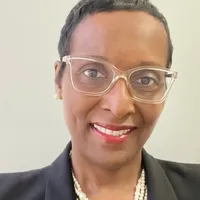
Monica R. Richardson
Senior Vice President, USA TODAY
Started by Freedom Forum, the original Chips Quinn program helped put college interns into newsrooms across the country. Since its beginnings in 1991, the program has reached more than 1,400 people, many of whom are now in leadership positions for local and national newsrooms. Today, the program aims to offer support to early-career journalists already in their respective newsrooms through a 1:1 mentorship by leading members in the journalism field as well as alumni from the program. Thanks to continued support for the program from Freedom Forum, each Chips Quinn Reporter receives a $10,000 stipend..
About Freedom Forum: Established on July 4, 1991, by USA TODAY founder Al Neuharth, the Freedom Forum is a nonpartisan 501(c)(3) foundation dedicated to fostering First Amendment freedoms for all. As the nation’s foremost advocate for First Amendment freedoms, the Freedom Forum engages thousands of Americans each year in classes, conversations and celebrations of these essential rights, including through the Power Shift Project, the annual Al Neuharth Free Spirit and Journalism Conference, the Chips Quinn Scholars Program for Diversity in Journalism, the Al Neuharth Award for Excellence in the Media, the Free Expression Awards, the annual “Where America Stands” survey, the Journalists Memorial and Today’s Front Pages.
About JFP: The mission of Journalism Funding Partners is to strengthen the depth, diversity and sustainability of local news by building and shepherding relationships between funders and local news organizations. JFP is a recognized nonprofit that acts as fiscal sponsor, allowing foundations and individual funders to contribute directly to local news, regardless of the news organization’s business model. JFP manages the funds feeding numerous news initiatives, including more than a dozen Climate reporters in the Southeast, an Equity Desk at The Sacramento Bee, an Education and Economic Mobility Desk in California’s Central Valley, the Investigative Fund of The Miami Herald and for Inclusivity and Investigative funds at the Associated Press.
###
Media Contact: Rusty Coats, Executive Director | rusty@jfp-local.org | (813) 277-8959